
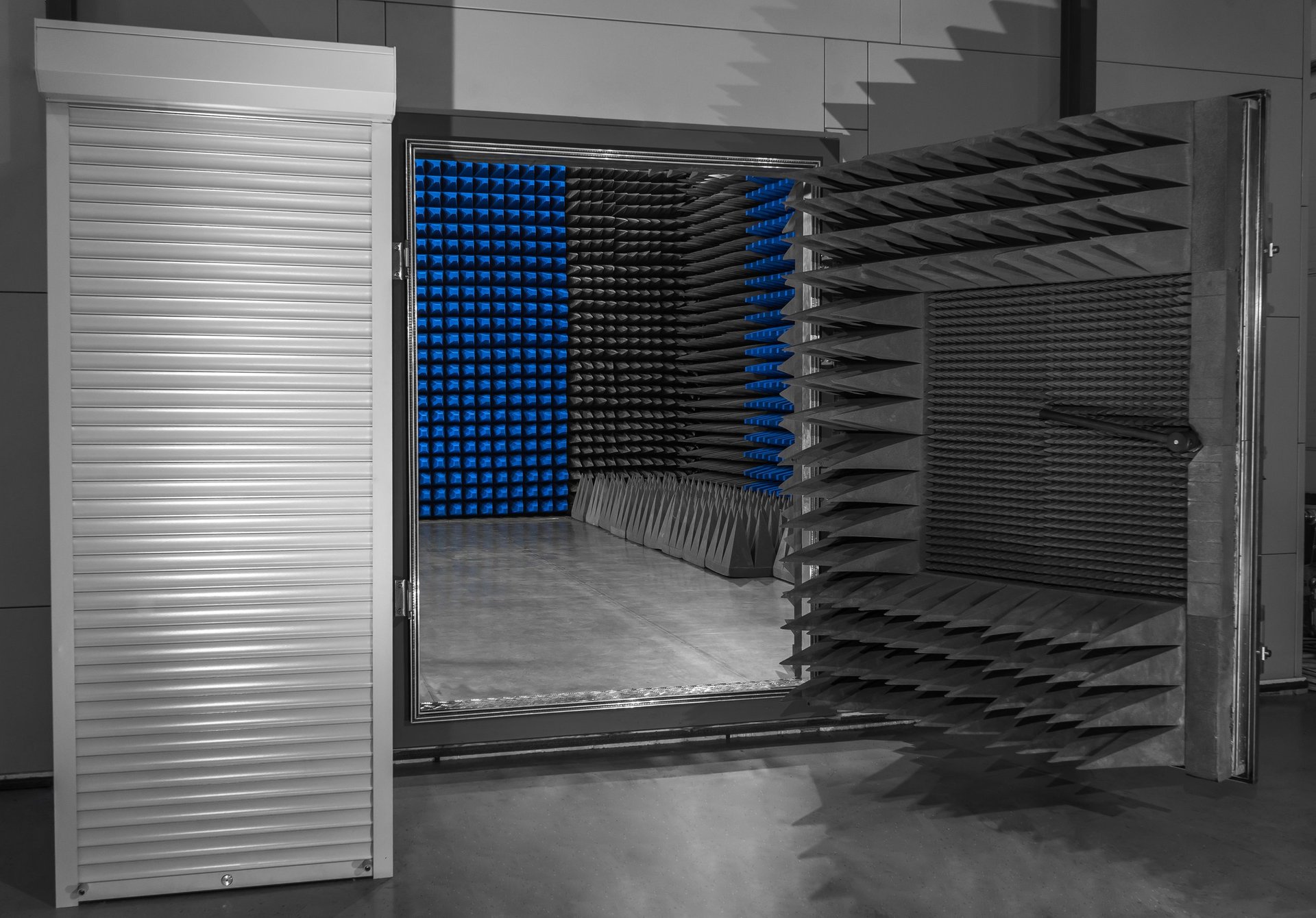
Comprehensive guide to building ICD 705 compliant Sensitive Compartmented Information Facilities.
A Sensitive Compartmented Information Facility (SCIF) is a secure room where classified national security information is stored, discussed, and processed. ICD 705 establishes the standards for SCIF construction, and compliance is mandatory for government agencies and contractors handling sensitive intelligence.
This guide covers the essential requirements and best practices for constructing a compliant SCIF, from initial planning through final certification.
SCIFs must provide RF attenuation of at least 60dB across the frequency range of 10kHz to 40GHz. This prevents electromagnetic emissions from escaping and protects against external RF threats.
Sound insulation must meet TEMPEST standards to prevent acoustic emanations. This typically requires a minimum of 50dB sound transmission class (STC) rating for walls and doors.
Windows must be eliminated or protected with RF shielding treatments. Viewports, if permitted, must include appropriate attenuation.
Physical security measures including secure doors, locks, and intrusion detection systems are required. Entry must be restricted to personnel with appropriate clearances.
All construction must be inspected and approved before classified information is introduced. This includes penetration sealing, filter installation, and grounding systems.
Our team has decades of SCIF construction experience and can guide you through the entire process.